The first season of a vintage train is when the small failures appear: a worn brake pad, a cracked lens, a coupling that needs replacing. Whether the park can fix them within a day depends almost entirely on what was ordered with the train. This guide lists the vintage amusement park train spare parts worth stocking before the first guests board.
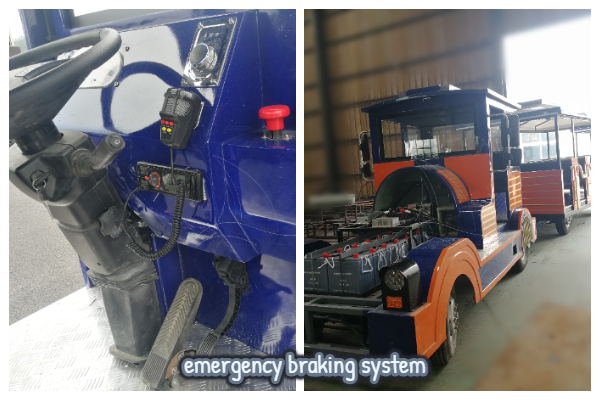
Start With the Braking System
Brake pads, actuators and the associated sensors are the parts most likely to wear during daily operation, and they are also the parts that stop the train. Ask the manufacturer for the recommended replacement interval and the part numbers for the exact configuration ordered. Keeping one complete set of brake wear items in the workshop turns a potential closure into a routine service.
Cover the Running Gear
Bearings, wheels, axle components and couplings carry the load of every carriage and are exposed to dust, water and temperature changes. Stock the bearings and seals specified for the fleet, together with the correct lubricants, and record the serial numbers so that a replacement matches the original. A mixed set of bearings from different suppliers is a common cause of premature failure.
Include Electrical and Lighting Items
Vintage styling often uses many small lamps, connectors and switches, and a single failed item can make a carriage look unfinished. Stock the lamps, fuses, relays and connectors used across the train, and keep a labelled box for each type. Where the train uses a smoke effect or a themed sound system, include the consumables and any proprietary controller that cannot be sourced locally.
Plan Upholstery and Body Trim
Seats, grab handles and decorative trim wear faster than mechanical parts because guests touch them constantly. Secure a small stock of upholstery material, fasteners and replacement trim in the original colour, and keep a sample of the paint used on the bodywork. The spare parts for a vintage park train list should include these cosmetic items, because a train that looks tired loses the nostalgic appeal the park is paying for.
Confirm Lead Times and Suppliers
A spare part is only useful if it arrives before the failure becomes a closure. Ask for the lead time of each item, confirm which parts are standard industrial components and which are unique to the model, and agree a process for urgent orders. Reviewing the diesel train maintenance package offered with a modern train shows what a complete support arrangement looks like, and the same expectations can be applied to a vintage machine.
Set a First-Season Budget and Records
Finally, budget for the stock rather than treating it as an emergency expense. Record every part used, the date, the running hours and the reason for replacement, so that the second season’s order reflects real wear rather than guesswork. Reference material on spare parts management explains how criticality, lead time and usage rate combine to define a sensible stock level.
A first-season spare parts kit is an insurance policy for the ride’s reputation. Stock the brake system, the running gear, the electrical items and the trim, confirm lead times and suppliers, and keep records from the first day. Operators planning a heritage attraction can review the range from Dinis train after-sales team and start from the product page at https://www.dinistrains.com/vintage-amusement-park-trains-for-sale/.