A wild mouse coaster is mechanically simple compared with a launch coaster, but simple does not mean low-risk. The ride depends on a set of safety systems and operating routines that must work together: restraints, brakes, block zones, anti-rollback devices and a trained team that follows the same procedure every cycle.
This article explains the safety features a buyer should look for and the operating requirements that keep the ride compliant after opening. If you are comparing a wild mouse roller coaster for sale price, use this as a checklist.
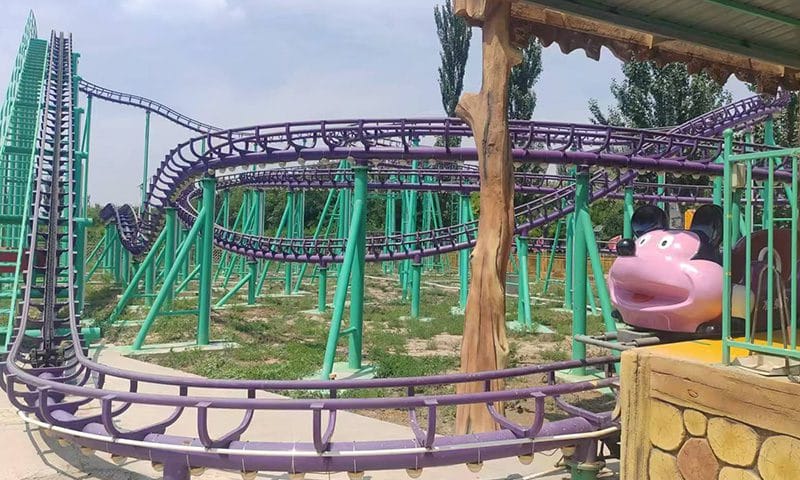
Core Safety Systems
| System | What it does | What to verify |
|---|---|---|
| Restraints | Hold riders in the vehicle | Type, locking mechanism, verification gauge |
| Brakes | Control speed and stop the train | Multiple independent brake sections |
| Anti-rollback | Prevents reverse travel on the lift | Mechanical and electrical redundancy |
| Block zones | Prevent two trains occupying the same section | Control logic and sensor placement |
| Emergency stop | Cuts power safely | Accessible to every operator position |
Ask for the wild mouse roller coaster specifications in writing, including the control logic and the sensors that support each block. A quotation that lists only track length and train count is incomplete.
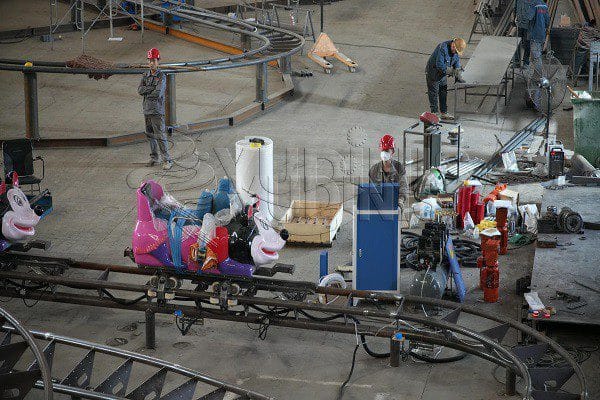
Daily Operation Requirements
- Pre-opening walk of the track and station
- Restraint and locking check on every seat
- Brake and lift function test with an empty train
- Emergency stop test at the start of each day
- Height verification at the entrance
These checks take time and must be scheduled before opening, not squeezed in as the first guests arrive. A small theme park wild mouse coaster should include a written daily checklist as part of the handover package.
Inspection and Maintenance
Daily checks cover what the operator can see and test. Weekly and monthly work covers bolt torque, wheel condition, brake wear and sensor alignment. Annual inspection should include non-destructive testing of critical welds and a full review of the control system.
Components exposed to weather – fasteners, chain, brake components – are often specified in Stainless steel or galvanised steel. That specification reduces corrosion but does not remove the inspection requirement.
Emergency Planning
The ride needs a documented evacuation procedure for the highest point of the circuit, practiced by staff before opening and at least once per season. The procedure must account for guests with limited mobility and for weather conditions that may require a controlled stop.
Operator Training
Every operator should be trained on the specific ride, not on coasters in general. Training should cover normal operation, restraint checks, dispatch discipline, emergency procedures and the limits of the operator’s authority to stop the ride. Keep training records – inspectors will ask for them.
Design Features That Improve Safety
Some safety features are required; others simply make the ride easier to operate safely. A well-designed wild mouse includes clearly separated guest and maintenance paths, a station layout that lets the operator see every restraint, and a control panel that shows block occupancy at a glance. Enclosed wheel assemblies, guarded chain returns and anti-slip station surfaces reduce the chance of injury during routine work.
The queue design matters too. Guests should not be able to reach the track, and the exit should not cross the entry stream. These are layout decisions, not add-on products, and they are cheapest to get right at the drawing stage.
Record Keeping and Compliance
Inspectors do not only look at the machine; they look at the records. Keep a daily operation log, a maintenance log, a training register and a record of every incident, however minor. The logs should be signed and dated, and they should follow the manufacturer’s recommended schedule rather than an informal routine.
Review the records monthly. Patterns – repeated brake adjustments, recurring restraint faults, frequent sensor errors – are early warnings that a component needs attention before it fails. A park that can show a clean, consistent record during an inspection spends far less time defending its operation and more time running the ride.
Weather and Operating Limits
Every coaster has operating limits for wind, rain and temperature, and the manufacturer should state them clearly. A wild mouse is generally more weather-tolerant than a launch coaster because it has no high-speed launch system, but gusting wind can still require a controlled stop on exposed sections of track. Define the limits in the operating manual, train operators to recognise them, and record every weather-related closure.
Lightning protocols matter as much as wind. A park needs a defined procedure for clearing the ride and surrounding area when a storm approaches, and for inspecting the track before reopening. Those procedures should be written into the daily operating plan rather than improvised when the weather changes.
Frequently Asked Questions
How often should the ride be inspected?
Daily before opening, weekly and monthly checks by the maintenance team, and an annual inspection by a qualified third party or the manufacturer.
Can staff operate it without manufacturer training?
They can be trained by a qualified supervisor, but the initial training should follow the manufacturer’s manual and be recorded.
What happens if a sensor fails?
The control system should fail safe and prevent dispatch. Never bypass a sensor to keep the ride running.
Next Step
Ask any supplier for the safety documentation package before the contract: control logic, certificates, manuals, training material and spare parts list. Our Dinis roller coaster factory supplies that package with every ride, and as a ride manufacturer in China we can review the operating plan with your team. For the complete picture, open the full article.